Get the Epidemiology
Analytics Mini-Course for Only $97 $47 Today! (Limited Time Offer)
The Mini-Course Every Epidemiologist/Researcher
Wish They Had.
Master the Practical Epidemiology Skills Employers Look for.
Think Like an Epidemiologist!
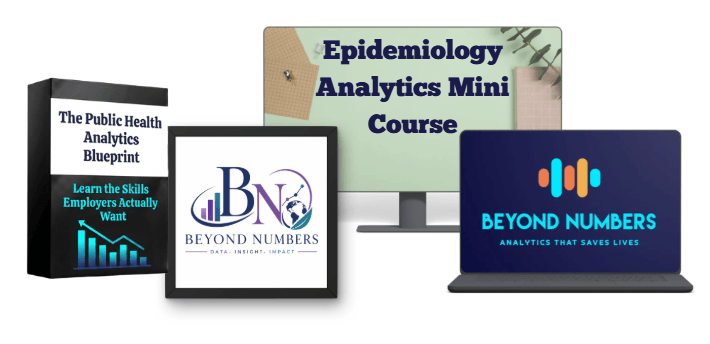

Learn to Think Like an Epidemiologist - Not Just Run Statistics!
Welcome to a completely different way of learning epidemiology and public health analytics.
This course was not created to overwhelm you with complicated formulas, confusing statistical jargon, or intimidating technical language.
This course was created to teach you how to THINK like an epidemiologist and understand how epidemiology and analytics actually play out in the real world, on the job.
Because the truth is:
Graduate school often teaches theories, formulas, definitions, and statistical concepts…
But many students still leave feeling unsure about:
how to approach real projects,
how to think through analyses,
how to interpret findings,
how to work with messy data, and
how epidemiology actually functions on the job.
That gap is exactly why this course was created.
What You'll Learn
By the end of this course, you will be able to:
Understand and interpret public health data with confidence
Approach analytic projects using an epidemiologist's thought process
Select appropriate analyses based on the research question
Identify meaningful patterns, trends, and disparities in data
Communicate findings clearly to stakeholders and decision-makers
Apply real-world epidemiologic thinking to public health problems
Apply the workflow using real case studies
Think, analyze, and interpret data like a practicing epidemiologist rather than simply calculating statistics
The course is designed to reflect real-world public health practice used across Health departments, federal, and research settings to equip students with skills needed to think like an epidemiologist and turn data into meaningful, decision-driving insights.
This Course is Perfect For:
Early-career public health professionals looking to build confidence with data
Students seeking practical, real-world epidemiology and analytics skills
Healthcare professionals transitioning into public health, epidemiology, data analytics, or research careers
Anyone who understands the theory but wants to learn how epidemiology is actually practiced on the job
Professionals who want to strengthen their data analysis, interpretation, and decision-making skills
Learners who want to move beyond memorizing concepts and start thinking like an epidemiologist
Individuals interested in understanding how public health data informs programs, policy, and interventions
Anyone looking to develop transferable analytics skills that can be applied across multiple industries
Hurry, Special Discount Offer Ends Soon!
Why This Course Matters RIGHT NOW
Public health is changing rapidly. Across the country, public health agencies and organizations are facing:
funding reductions,
workforce shortages,
increasing competition,
and growing demand for professionals with data skills.
Today’s employers are no longer simply looking for people with degrees...
They are looking for professionals who can:
analyze data,
interpret trends,
understand surveillance,
create dashboards,
communicate findings, and
support data-driven decisions.
The professionals who stand out today are the ones who understand analytics and can THINK critically about data. That is why this skill set is becoming more valuable than ever before...
And that is why this course was created.
Meet Your Instructor
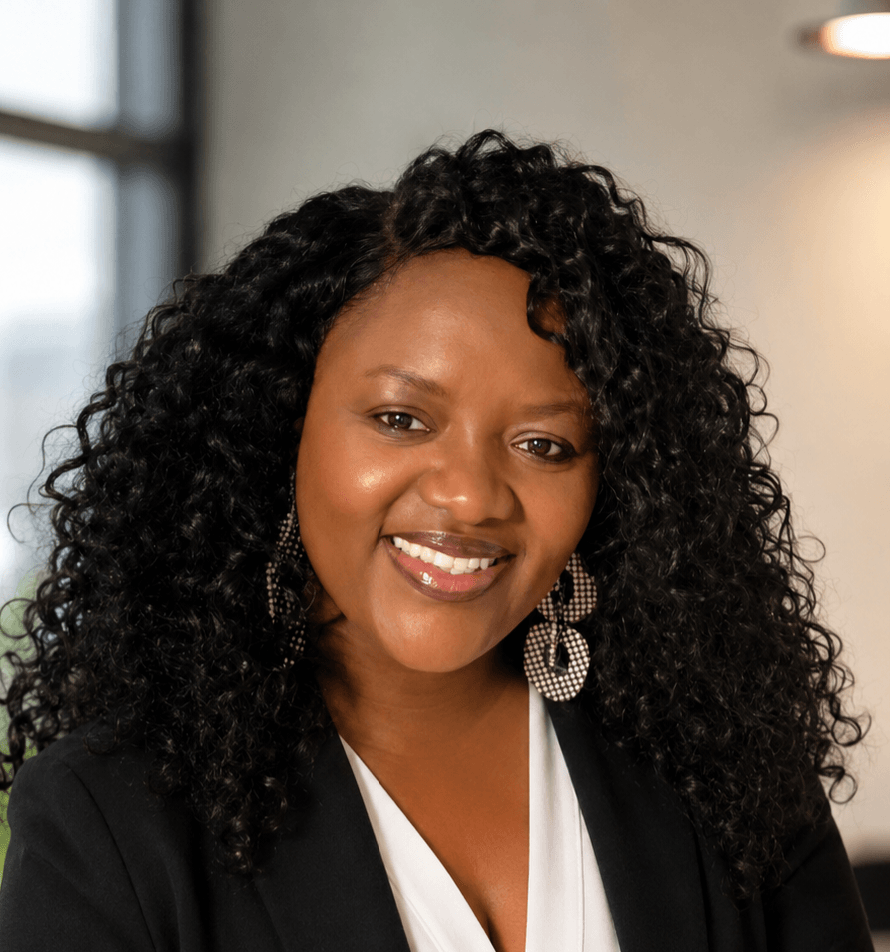
Hi, I’m Dr. Justina Omari - Senior Epidemiologist, Analytics Educator, Researcher, and Mother.
Like many public health graduates, I completed graduate school with a passion for improving health outcomes, but quickly realized there was a gap between what I learned in the classroom and what employers expected in the workforce.
I knew I wanted a career in epidemiology, but I also knew that many of the positions I aspired to required strong data and analytics skills.
At the time, I didn't have all the answers. So I did what many determined professionals do!
I figured it out...
I spent countless hours teaching myself SAS programming through YouTube videos, online resources, practice projects, and real-world problem-solving. I searched for guidance, learned from trial and error, and continuously built my skills while navigating a competitive job market.
My First Job Experience!
I had memorized formulas.
I could define statistical terms.
But when it came to actual projects, messy datasets, interpretation, and decision-making…
I still found myself wondering:
Where do I start?
Which analysis should I use?
What does this actually mean?
How do epidemiologists think through this?
And that uncertainty can make analytics feel incredibly intimidating.
What changed everything for me was realizing that epidemiology is NOT about memorizing formulas.
It’s about learning how to:
think critically,
ask the right questions,
interpret data responsibly,
identify meaningful patterns, and
communicate findings clearly.
And most importantly… It’s about understanding HOW epidemiology actually works in real-world public health jobs.
If that sounds familiar, you're not alone!
Today, I have the privilege of working as a Senior Epidemiologist, leading analyses, building dashboards, conducting research, interpreting complex data, writing manuscripts, and helping inform public health decisions. I also have the opportunity to teach and mentor others who are trying to navigate the same journey.
That experience inspired me to create this course.
My goal is simple:
To help you bridge the gap between graduate school and the real world by showing you how epidemiology and analytics actually play out on the job.
Why???
Because success in epidemiology isn't about memorizing formulas; it's about learning how to think critically, solve problems, interpret data, and communicate findings with confidence to protect the communities we serve.
And if I could learn these skills through persistence, practice, and determination, I truly believe you can too!
The Power of Epidemiology
Beyond the Numbers!
One of the reasons I fell in love with epidemiology is my passion for data, and, more importantly, using data to make a meaningful difference in people's lives.
Early in my career, I discovered the profound power behind the numbers we analyze. I realized that data is far more than statistics on a spreadsheet. Every number represents a person, a family, a neighbor, a friend, or an entire community.
Behind every case count, rate, or trend is a real human story.
What inspired me most was understanding that the analyses we conduct have the potential to inform policies, guide public health programs, influence key decision-makers, and ultimately improve health outcomes for entire populations.
As epidemiologists, we don't just analyze data; we translate data into action. We identify emerging health concerns, uncover disparities, evaluate interventions, and provide the evidence needed to make informed decisions that can save lives.
That realization transformed the way I viewed epidemiology. It wasn't just about numbers anymore; it was about using those numbers to create healthier communities and a better future for the people we serve.
A Career That Fits Your Life
Let me share something personal with you.
One of the reasons I chose epidemiology and have remained passionate about it is the flexibility and versatility this field provides.
Epidemiology taught me much more than public health. It taught me how to think critically, solve problems, and analyze data - skills that are valuable in virtually any industry. Once you learn how to work with data and turn it into meaningful insights, those skills become highly transferable and can open doors far beyond traditional public health roles.
Today, I have the privilege of working from home, contributing to meaningful public health initiatives, teaching students, building projects I care about, and still being present for my family.
If I could learn these skills while balancing doctorate school, a career, motherhood, and everyday life, you can too!
Analytics isn't just a skill; it's a career asset that can create opportunities for years to come.
Hurry, Special Discount Offer Ends Soon!
Subscribe here for free
We HATE spam. Your email address is 100% secure